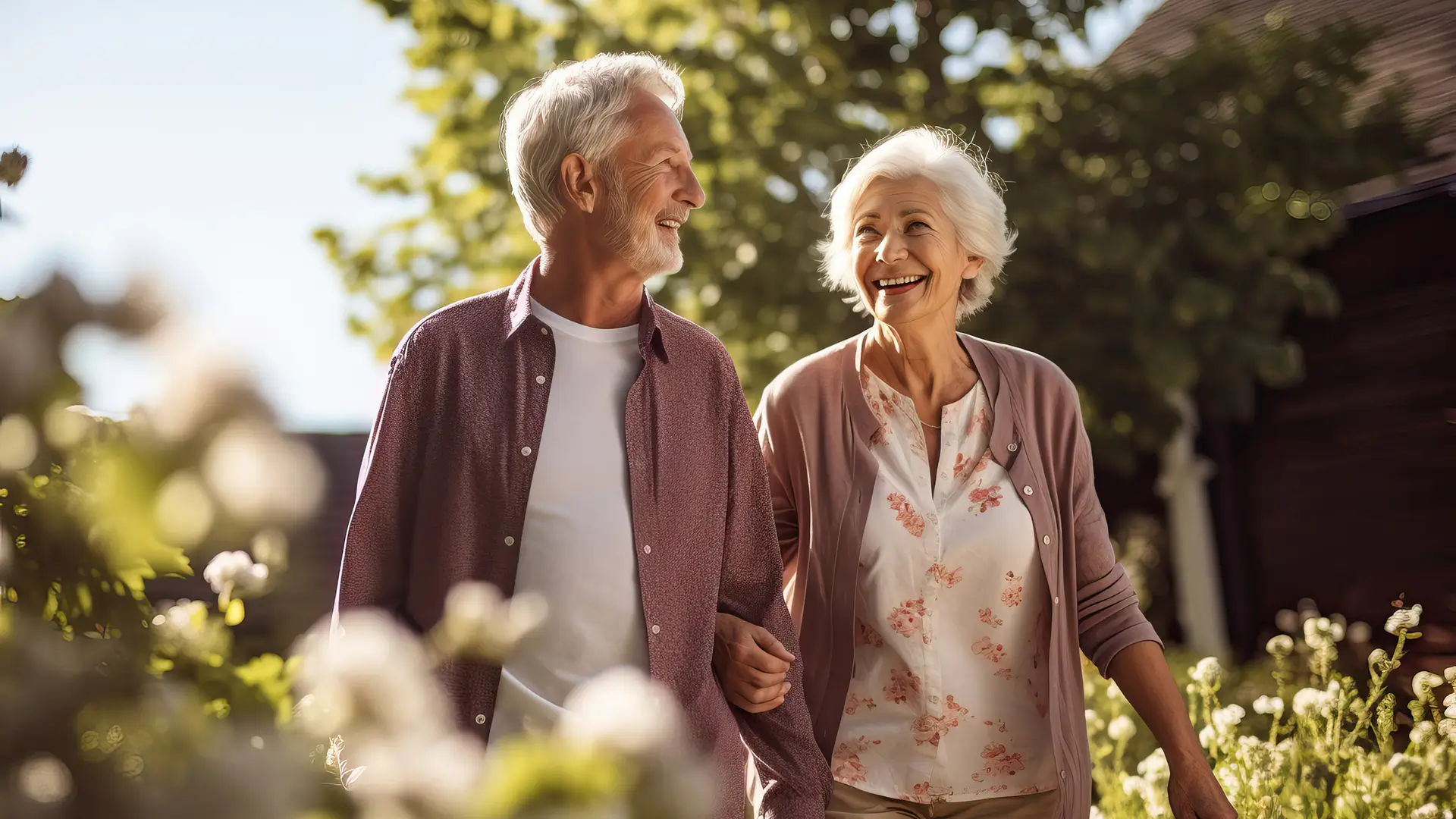
When Ayva turned 72, she made a promise to herself. She wanted to spend the next 20 years feeling strong, connected, and purposeful. She’d watched friends her age slow down after health scares and hospital stays. She wanted to build a life that helped her stay ahead of them.
Ayva’s mindset shows a larger shift happening across the country. In 2023, U.S. life expectancy rose to 78.4 years. Adults who reach age 65 now expect to live another 19.5 years on average. That’s nearly as long as raising a child from preschool to college.
With that kind of runway, older adults are asking a new question: How do I live well for longer?
Today’s senior living communities are answering that question in thoughtful, practical ways.
Living Longer Means Living Smarter
Research tells us that about 20–30% of our lifespan comes from genetics. Lifestyle and environment determine the rest. That means our daily habits matter more than many people realize.
Cardiorespiratory fitness is a clear indicator of long-term health. It’s measured by VO₂ Max, which shows how well your heart and lungs deliver oxygen. It also explains how efficiently your muscles use that oxygen.
A higher VO₂ Max is linked to a lower risk of diabetes, some cancers, heart disease, and stroke. Strong cardiovascular fitness also supports better sleep, sharper thinking, and higher energy.
Regular movement, balanced meals, stress management, strong relationships, and quality sleep all work together to protect long-term health. The right environment makes those healthy choices easier to practice every day.
From Care Model to Wellness Model
In the past, many communities focused mainly on daily household support and personal assistance. Today, the focus has expanded. Communities now integrate fitness, nutrition, wellness activities, social connection, and brain health into everyday life.
National research backs up this approach. Studies from NORC at the University of Chicago show that older adults who move into senior living often have more stable health over time. After settling in, many residents need fewer expensive hospital visits. The research also found that people in senior housing live, on average, over a week longer. They also have lower mortality rates than those in the general community.
The goal of senior living has moved beyond reacting to illness. Communities now aim to build vitality.
Fitness That Builds Strength and Confidence
During Ayva’s first week in her new community, she met with a wellness coach. Together, they set goals around balance and endurance. She signed up for chair yoga and a strength class focused on fall prevention.
Her community also offered tai chi, walking clubs, and personalized mobility plans. Staff kept track of her progress. They changed her routine when needed. Over time, Ayva felt steadier on her feet and more confident climbing stairs.
Being active became a regular part of Ayva’s day, instead of something she had to push herself to do alone.
Nutrition as Medicine and Identity
Food plays a central role in well-being at any age. For older adults, research links plant-based and Mediterranean-style diets to longer life. These eating styles emphasize whole grains, fruits, and vegetables, which provide longevity benefits. These benefits apply to all older adults regardless of genetics.
Many senior living communities now feature plant-forward menus with healthy options, locally sourced ingredients, and nutrition information. Nutritionists and dietitians on staff provide residents with nutrition education and personalized guidance on health markers like blood sugar, blood pressure, and cholesterol.
Keep me in the loop
Subscribe to our newsletter for updates, tips, and stories on senior living & Kisco related content — delivered to your inbox.
At the same time, chefs honor personal history, which can go a long way to improving residents’ quality of life. A resident might share a family recipe. Another may request culturally meaningful dishes. They understand that nutrition both supports the body and celebrates identity.
Ayva shared her grandmother’s cabbage soup recipe at a resident dinner night. For her, food once again became a way to connect with others.
Brain Health Moves to the Forefront
Keeping the mind sharp is just as important as staying physically strong. Today’s communities offer book clubs, lectures, art workshops, language classes, and digital brain training. Wellness teams and culinary staff often work together to support brain health in both meals and activities.
Brain health has become a core expectation for senior living communities, woven into everyday life.
Purpose, Autonomy, and Meaning
Research shows that as people age, meaning becomes more important than novelty or exploration. In short, older adults want deep relationships and purposeful roles in their lives.
Today’s communities invite residents to co-create their experiences. Clubs form around mutual passions. Residents lead discussions, mentor others, and shape activity calendars. They have a say in activities, meals, and more through resident councils. For example, Ayva joined a resident council and helped plan a walking fundraiser for a local charity. Curated and flexible schedules let residents choose how to spend their time.
In senior living, having choices supports well-being. When residents feel valued and respected, they do better.
Healthcare Access That Prevents Crisis
Easy access to medical care helps residents live longer and stay well. Many senior living communities offer on-site primary care, visiting specialists, telehealth appointments, and routine health screenings. When providers are close, they can address small issues quickly and stop them from becoming emergencies.
A small health change can make a big difference. In Ayva’s case, a staff member who was trained to watch for movement and balance issues noticed a slight change in the way she was walking. That led to an immediate checkup. The on-site care team tested her balance, reviewed her medications to look for side effects, and adjusted her strength and balance exercises. Because they acted early, they lowered the risk of Ayva falling and getting hurt.
Proactive, coordinated care like this helps residents maintain independence, avoid preventable complications, and support long-term health outcomes.
Shared meals, community outings, interest groups, and spiritual gatherings create daily touchpoints for building relationships. Residents build deep, trusted friendships and feel a sense of belonging.
Now, Ayva meets friends for breakfast most mornings. She laughs more. She feels needed. These daily connections give her something to look forward to and enhance her general well-being.
A New Chapter of Longevity
When Ayva talks about moving, she doesn’t describe it as giving something up. She says she traded chores for choices and found freedom in routines that fit her life. For her, the move brought new possibilities.
Today’s senior living communities combine proven strategies that help residents not only live longer, but also enjoy healthier, more meaningful lives.
Discover the Art of Living Well at Kisco
If you’re considering what the next chapter might look like for you or someone you love, explore a Kisco community near you. See for yourself how we help residents live well and longer.
Start your next chapter at a Kisco community near you. Schedule a tour to see firsthand how we help residents live well, live longer, and feel their best.
Senior living communities combine fitness, nutrition, brain health programs, on-site healthcare, and daily social connection to support longevity. Research from NORC at the University of Chicago found that residents tend to have more stable health, lower mortality rates, and live, on average, over a week longer than peers in the general community.
What wellness programs do senior living communities offer?
Most communities offer chair yoga, tai chi, walking clubs, strength and balance classes, personalized mobility plans, and one-on-one wellness coaching designed for older adults. Many also include brain training activities like book clubs, language classes, art workshops, and lectures.
How does nutrition support longevity in senior living?
Senior living communities feature plant-forward menus with Mediterranean-style options, on-site nutritionists and dietitians, and personalized guidance for health markers like blood sugar, blood pressure, and cholesterol. Chefs also honor personal and cultural food traditions, which supports both physical health and emotional well-being.
How does social connection affect senior health?
Strong relationships support immune function, mental health, and brain function. Research shows that loneliness carries real health risks for older adults. Shared meals, community outings, interest groups, and spiritual gatherings in senior living create daily touchpoints that build deep friendships and a sense of belonging.
Disclaimer: Information provided above may vary by community. We encourage you to speak directly with each Senior Living community to confirm specific details and ensure the community is the right fit for your individual needs and preferences.